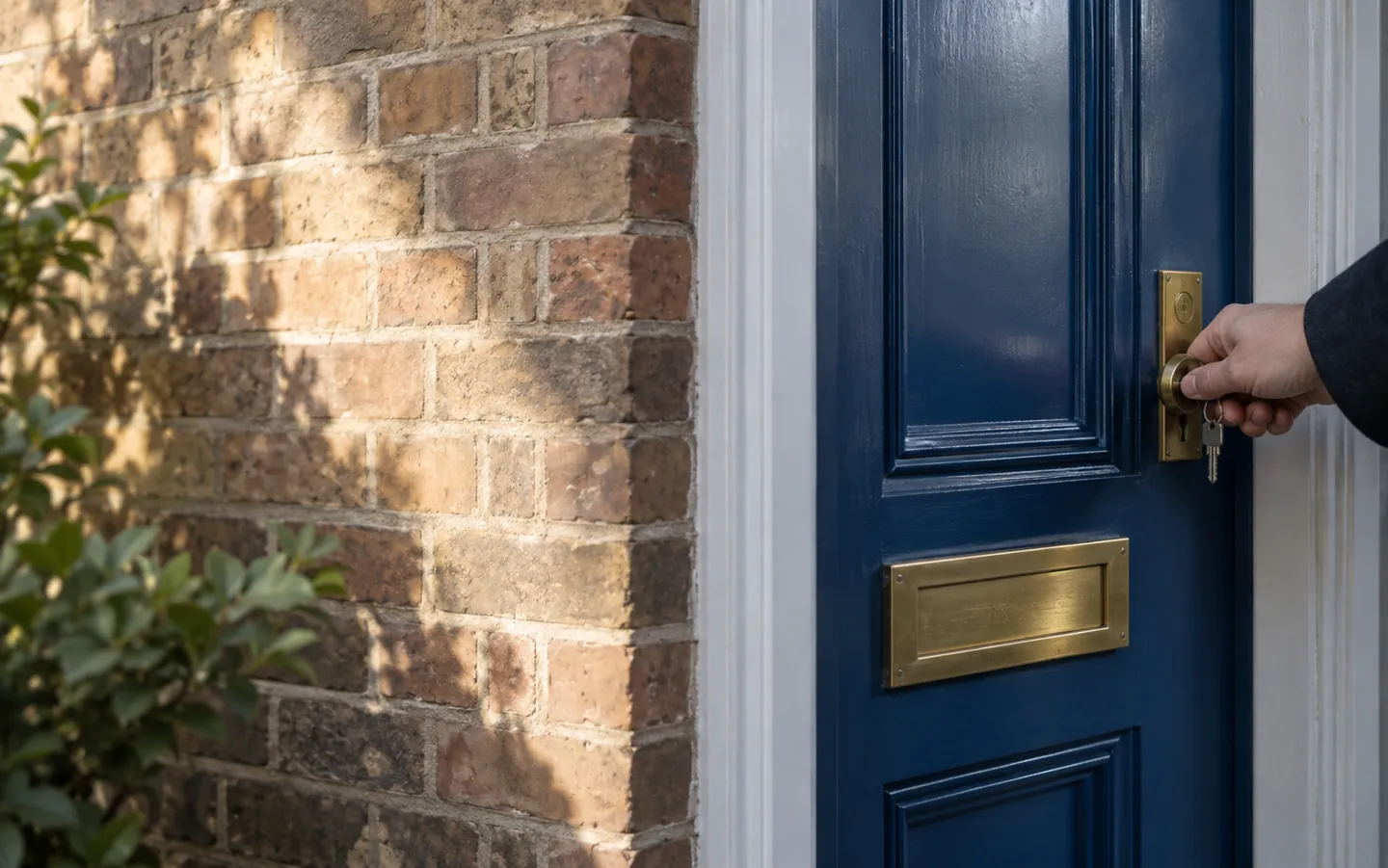
In England and Wales, three in four burglaries where the burglar got in were through a door, and a quarter of those doors were not locked. A good lock only works when it is turned.
Pick the lock that matches your door to see what police guidance says about it. The bar shows how well it meets that guidance.
Based on West Yorkshire Police euro-cylinder advice and Metropolitan Police home security advice. This is general information, not a security survey.
TWO NUMBERS WORTH KNOWING
The easy way in is often left open.
One figure on how burglars get in, one on what tested security can do.
≈ 1 in 4
Door burglaries where the door was not locked
In the year ending March 2025, 76.9 percent of burglaries with entry in England and Wales used a door, and in 24.5 percent the door was not locked. The survey sample for that year was 128 incidents.
WAY IN · ONS CRIME SURVEY
42% fewer
Burglary fall on two Nottingham estates
After Secured by Design accredited windows were fitted to 1,520 homes, burglary fell by 42 percent, compared with a city-wide fall of 21 percent.
TESTED WINDOWS · SECURED BY DESIGN
ONS figures come from the Crime Survey for England and Wales, a household survey. The yearly sample of burglaries is small, so percentages can move from year to year: the unlocked-door share was 23.9 percent in the year ending March 2020.
FOUR HABITS TO TRY
Safer doors, no new gadgets.
Most of these cost nothing. They come from police and Secured by Design advice for ordinary homes.
Lock it, even when you're in
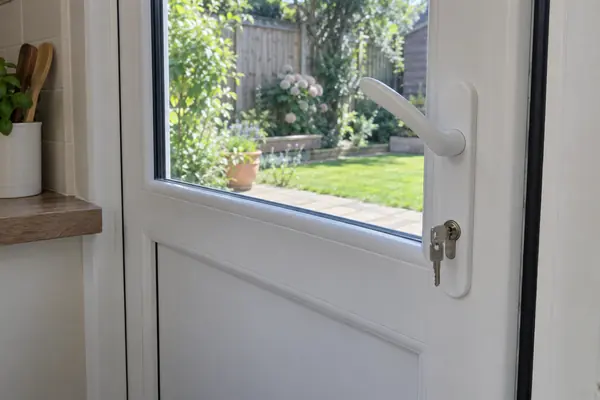
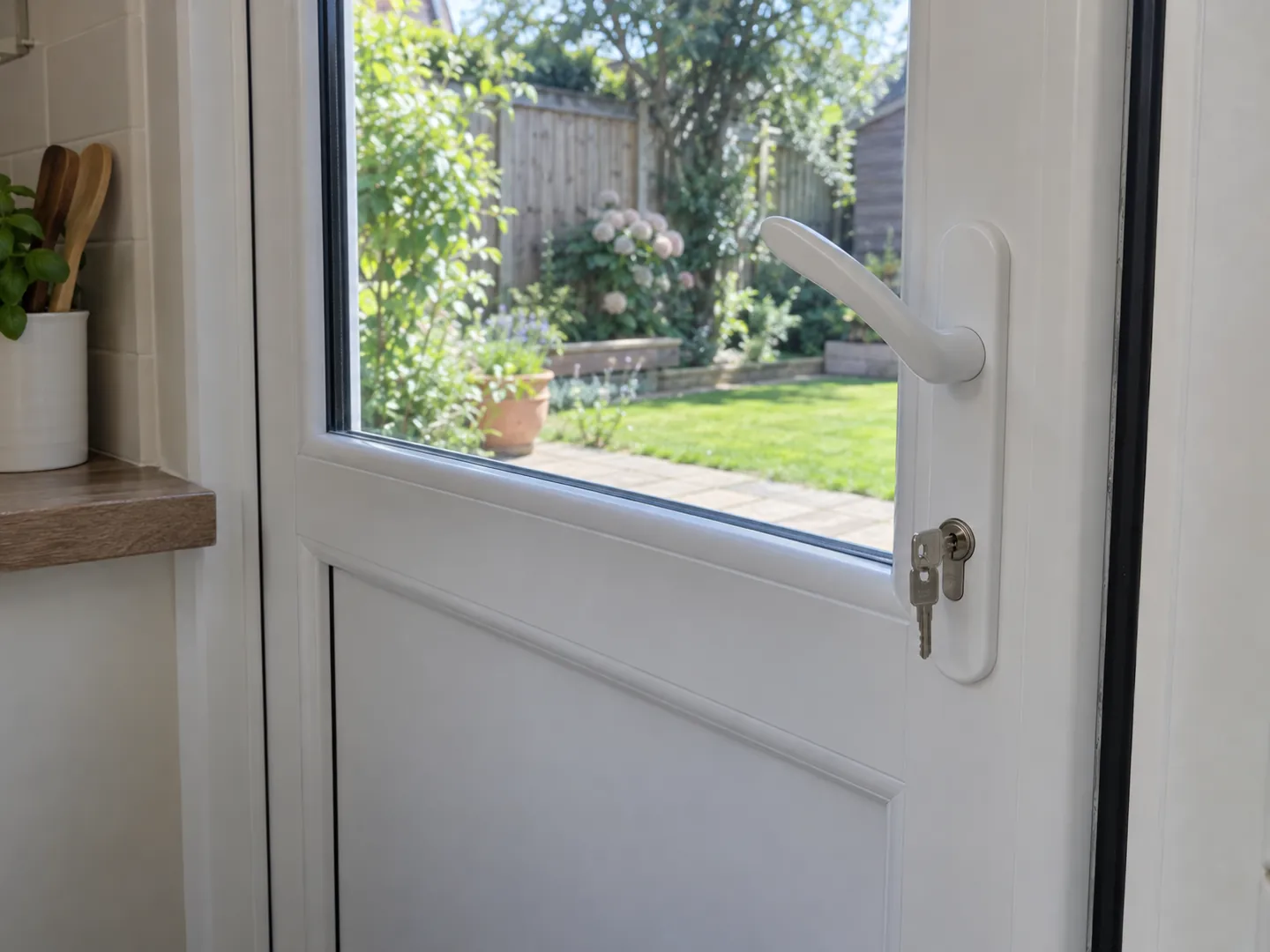
A shut door is not a locked door. On uPVC, lift the handle and turn the key to throw every bolt.
Keep keys out of reach
Keep house and car keys away from the front door so they cannot be hooked through the letterbox.
Skip the hiding places
Avoid leaving keys under doormats, in fake rocks or above door frames.
Check the marks
Look for BS 3621 on mortice locks and TS 007 3-star or Sold Secure Diamond on cylinders.
AI-generated image, not a photograph of a real person or place.AI-generated image, not a photograph of a real person or place.
HOW A LOCK WORKS
Pins, springs and one straight line.
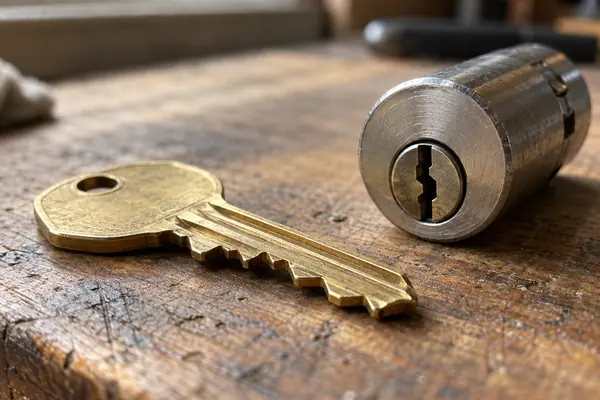
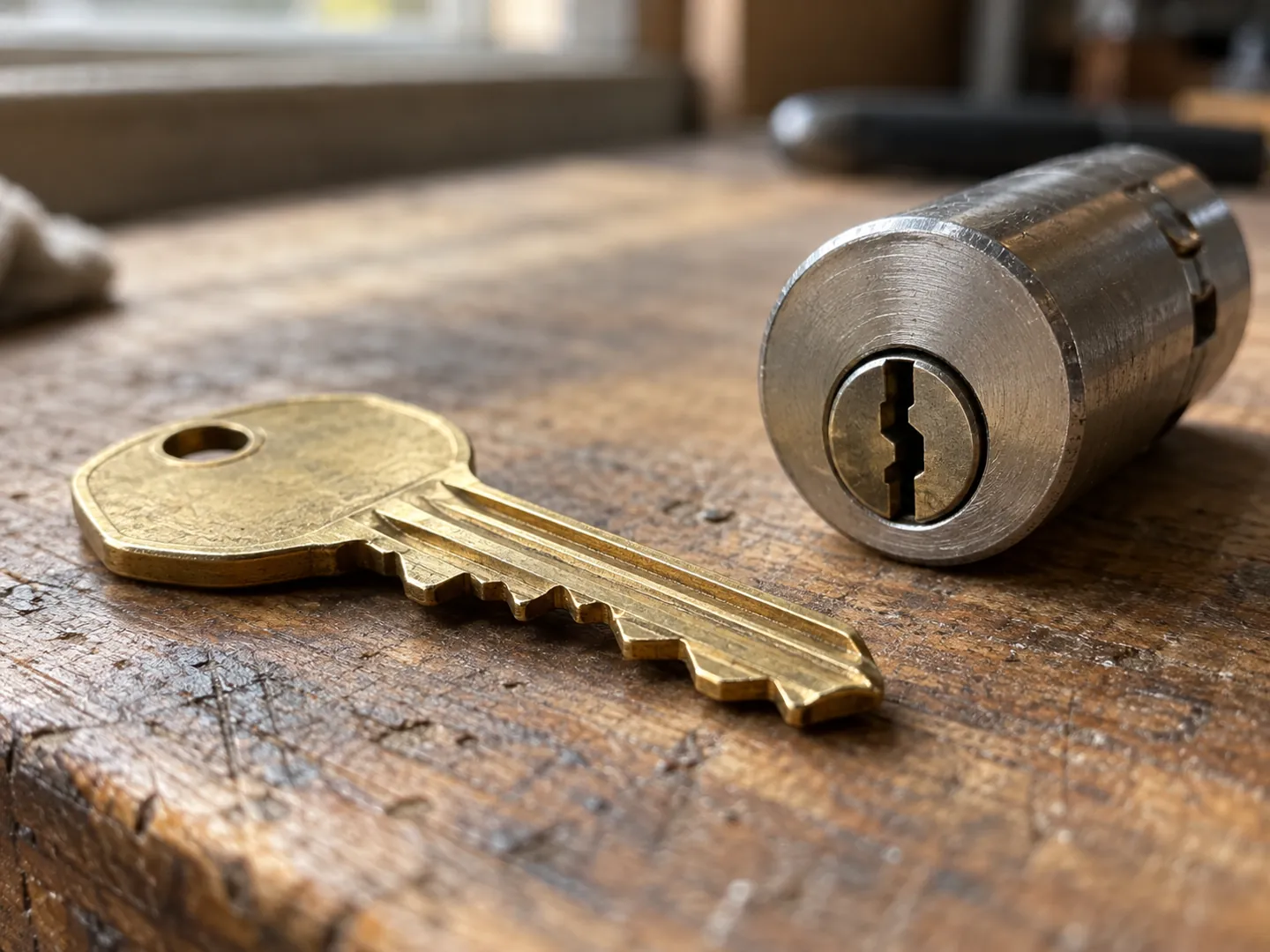
Inside a pin tumbler lock, a plug sits in a casing. Each hole in the plug holds a key pin of a set length with a spring-loaded driver pin above it. Without the right key, the pins straddle the joint and the plug cannot turn.
The right key lifts every pair so each gap sits exactly on that joint, called the shear line, and the plug turns. The idea may date back to around 2000 BC in Egypt; Linus Yale Jr patented the design most modern locks resemble in 1861.
Questions
Questions people ask
What does BS 3621 mean on a lock?
It is a British Standard for locks. Metropolitan Police advice recommends a 5-lever mortice deadlock with a boxed staple, conforming to BS 3621, on timber front doors, and Lichfield District Council notes it is often required by home insurance policies.
What is a TS 007 3-star cylinder?
TS 007 is a rating for euro-cylinder locks and handles. West Yorkshire Police say a 3-star result is the minimum to aim for, either from a 3-star cylinder or a 1-star cylinder with a 2-star handle.
How do most burglars get in?
In the Crime Survey for England and Wales for the year ending March 2025, 76.9 percent of burglaries with entry were through a door and 19.8 percent through a window.
Why do I have to lift the handle on a uPVC door?
Secured by Design explains that locking a uPVC door requires the handle to be lifted when turning the key, which puts several locks into place.
Where should I keep my keys?
Police advice is to keep house and car keys away from the front door so they cannot be hooked out, and to avoid obvious hiding places such as under the doormat.